Choosing the right flooring option for Houston home isn’t just about aesthetics; it’s about finding materials that can withstand the city’s unique climate challenges while complementing your lifestyle and budget. With Houston’s high humidity, occasional flooding risks, temperature fluctuations, and subtropical weather patterns, selecting flooring requires careful consideration of durability, moisture resistance, and long-term performance.
The three most popular flooring options for Houston homeowners are laminate, engineered wood, and tile; each offers distinct advantages and drawbacks. Understanding how these materials perform in Houston’s climate will help you make an informed decision that protects your investment and enhances your home’s value.
Houston’s Climate Challenges for Flooring
Before diving into specific flooring types, it’s important to understand what makes Houston’s environment uniquely demanding. The city experiences average humidity levels of 75-90%, frequent heavy rainfall, occasional flooding events, and temperatures that swing from hot, humid summers to mild winters with occasional freezes. These conditions mean flooring installation must resist moisture damage, handle expansion and contraction, and maintain stability in varying humidity levels.
Laminate Flooring: Budget-Friendly Versatility
What is Laminate Flooring?
Laminate consists of multiple layers: a photographic image layer that mimics wood or stone, topped with a protective wear layer, all bonded over a high-density fiberboard core. Modern laminate technology has advanced significantly, offering realistic wood-look designs at a fraction of hardwood costs.
Pros of Laminate for Houston Homes
Affordability: Laminate is one of the most budget-friendly flooring options, typically costing $2-$8 per square foot installed, making it ideal for homeowners renovating on a budget or covering large areas.
Easy Installation: Many laminate products feature click-lock systems that allow for floating floor installation, reducing labor costs and making it a viable DIY project for handy homeowners.
Scratch and Stain Resistance: The wear layer protects against scratches, scuffs, and stains, making laminate practical for families with children and pets, which is common in Houston’s suburban neighborhoods.
Low Maintenance: Simple sweeping and occasional damp mopping keep the laminate looking great without special treatments or refinishing requirements.
Appearance Variety: Modern laminate convincingly replicates hardwood, stone, and tile appearances, offering design flexibility without premium material costs.
Cons of Laminate for Houston Homes
Moisture Vulnerability: This is the laminate’s biggest weakness in Houston’s climate. The fiberboard core swells when exposed to moisture, causing warping, buckling, and permanent damage. Standing water from leaks, spills, or flooding can destroy laminate flooring quickly.
Not Waterproof: While some manufacturers now offer water-resistant laminate, traditional laminate should never be installed in bathrooms, laundry rooms, or Houston homes with flooding history.
Cannot Be Refinished: Unlike real wood, damaged laminate cannot be sanded or refinished; it must be replaced entirely.
Hollow Feel: Laminate can feel less substantial underfoot compared to real wood or tile, and may sound hollow when walked upon if not properly installed with quality underlayment.
Humidity Sensitivity: Houston’s high humidity can cause laminate to expand and contract, potentially creating gaps or buckling if not properly acclimated before installation.
Best For: Houston homeowners on tight budgets installing in bedrooms, living rooms, or upper-floor spaces with low moisture exposure.
Engineered Wood Flooring
What is Engineered Wood?
Engineered wood features a real hardwood veneer (typically 2-6mm thick) bonded to multiple layers of plywood or high-density fiberboard. This construction provides the beauty of real wood with enhanced stability.
Pros of Engineered Wood for Houston Homes
Superior Humidity Stability: Engineered wood’s layered construction resists expansion and contraction far better than solid hardwood, making it particularly suitable for Houston’s fluctuating humidity levels.
Real Wood Beauty: Unlike laminate, engineered wood is genuine hardwood on the surface, offering authentic grain patterns, texture, and natural warmth that increases home value.
Can Be Refinished: Depending on veneer thickness, quality engineered wood can be sanded and refinished 1-3 times, extending its lifespan significantly beyond laminate.
Versatile Installation: Can be glued down, nailed, or installed as a floating floor, offering flexibility for different subfloor conditions common in Houston homes.
Moderate Cost: Priced between laminate and solid hardwood ($4-$12 per square foot installed), engineered wood provides excellent value for the authentic wood experience.
Performs Well in Houston Climate: The cross-grain construction minimizes movement, making it more reliable than solid hardwood in Houston’s variable conditions.
Cons of Engineered Wood for Houston Homes
Still Moisture-Sensitive: While more stable than solid wood, engineered wood can still suffer damage from standing water, flooding, or prolonged high humidity exposure a real concern in Houston.
Quality Varies Widely: Cheap engineered wood with thin veneers offers little refinishing potential and may perform poorly. Houston homeowners should invest in quality products with thicker wear layers.
Not Waterproof: Should not be installed in full bathrooms or areas prone to water exposure, limiting use in Houston homes with flooding risks.
Installation Costs: Professional installation is recommended, adding to overall expenses compared to DIY-friendly laminate.
Fading from Sunlight: Natural wood fades over time when exposed to Houston’s intense sunlight through large windows.
Best For: Houston homeowners wanting authentic wood aesthetics with better humidity performance than solid hardwood, particularly in main living areas, bedrooms, and dining rooms.
Tile Flooring: Houston’s Most Durable Option
What is Tile Flooring?
Ceramic and porcelain tiles are fired clay products available in countless sizes, colors, and patterns. Porcelain is denser and less porous than ceramic, making it the premium choice for Houston homes.
Pros of Tile for Houston Homes
Exceptional Water Resistance: Properly installed tile with sealed grout lines is virtually waterproof, making it ideal for Houston homes in flood zones, bathrooms, kitchens, and entryways.
Handles Houston Humidity Perfectly: Tile is completely unaffected by humidity, moisture, or temperature fluctuations, a huge advantage in Houston’s climate.
Extreme Durability: Tile can last 50+ years with proper care, outlasting both laminate and engineered wood by decades.
Easy Maintenance: Spills wipe up easily, and tile doesn’t harbor allergens, mold, or mildew, important in Houston’s humid environment.
Cool Underfoot: In Houston’s hot summers, tile’s naturally cool surface provides comfort, reducing air conditioning needs.
Adds Home Value: Quality tile installations increase property value and appeal to Houston buyers concerned about durability and water resistance.
Endless Design Options: From classic subway tile to contemporary large-format planks and intricate mosaics, tile offers unlimited aesthetic possibilities.
Cons of Tile for Houston Homes
Cold and Hard: While refreshing in summer, tile can feel cold during Houston’s mild winters. The hard surface is tough on feet, legs, and backs with prolonged standing.
Higher Installation Costs: Professional tile installation requires skilled labor, making it the most expensive option ($5-$15+ per square foot installed, with luxury tiles exceeding $20).
Grout Maintenance: Grout lines require periodic sealing and can stain or discolor, requiring more maintenance than wood-look surfaces.
Slippery When Wet: Glazed tiles can be slippery, a safety concern in bathrooms and kitchens. Textured or matte tiles address this but may collect more dirt.
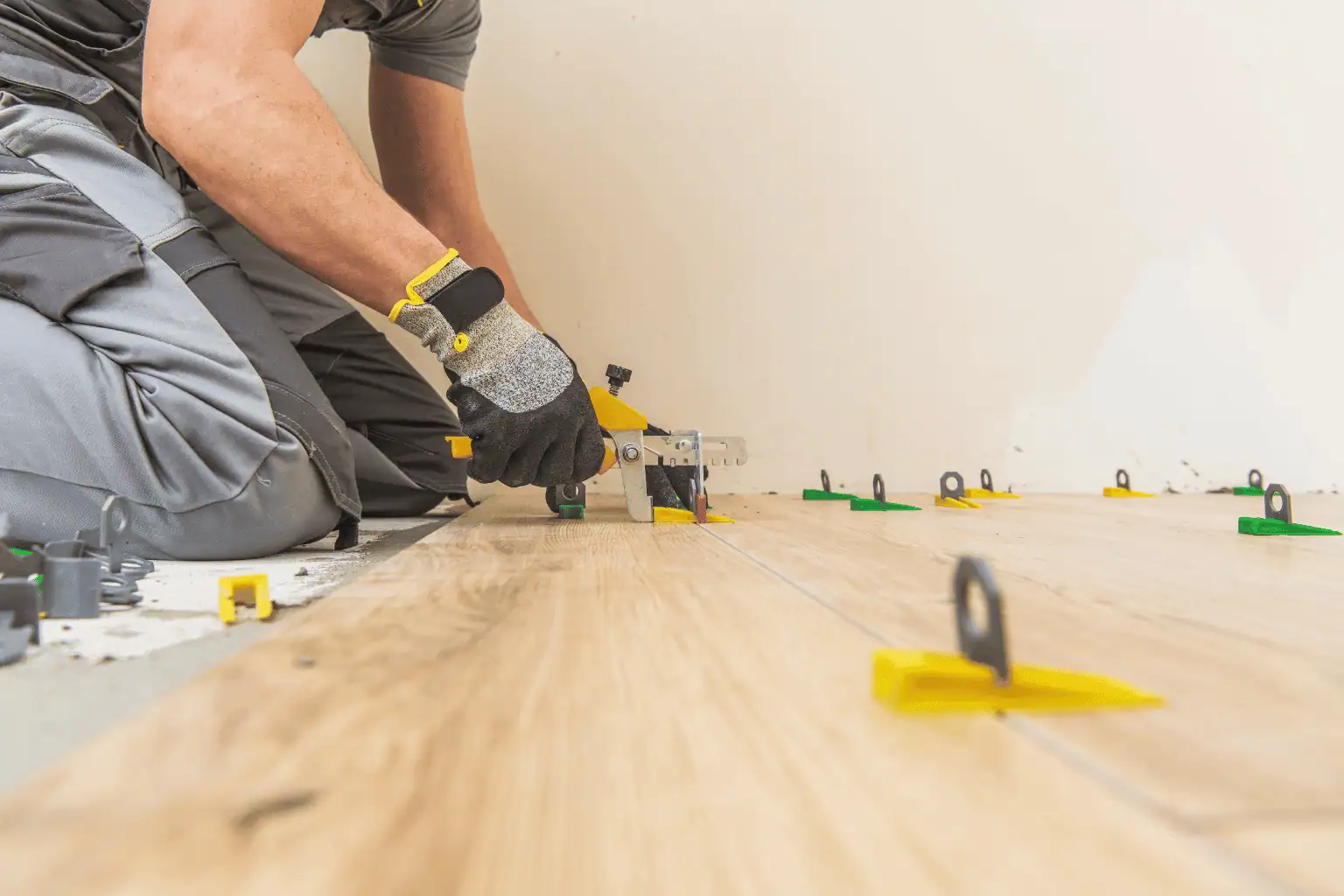
Difficult DIY Installation: Achieving professional results requires experience, specialized tools, and skill mistakes can be costly to correct.
Can Crack: While durable, dropped heavy objects can crack tiles, and repairs require replacing entire tiles, which may not match if the product line has changed.
Best For: Houston homeowners prioritizing durability and water resistance, especially in kitchens, bathrooms, entryways, and homes in flood-prone areas. Also excellent for main living areas in modern or contemporary designs.
Climate-Specific Recommendations for Houston
Flood-Prone Areas: Tile is the clear winner. If flooding is a possibility in your Houston neighborhood, avoid laminate entirely and choose tile for ground-floor installations.
High-Humidity Bathrooms: Tile (preferably porcelain) is essential. Neither laminate nor engineered wood should be used in full bathrooms due to Houston’s humidity and water exposure.
Main Living Areas: Engineered wood offers the best balance of aesthetics and climate performance for living rooms, dining rooms, and bedrooms in Houston homes.
Kitchens: Tile provides maximum water resistance and durability, though quality engineered wood can work if spills are quickly addressed.
Budget Renovations: Laminate works for upstairs bedrooms and low-moisture areas if installed with moisture-resistant underlayment and proper acclimation.
Making Your Decision
Consider these factors when choosing flooring for your Houston home:
Budget: Laminate offers the lowest upfront cost, tile the highest, with engineered wood in the middle.
Lifestyle: Families with children and pets may prefer tile’s durability or laminate’s affordability for easy replacement.
Location: Ground-floor and flood-risk areas demand tile; upper floors offer more flexibility.
Long-Term Plans: If you plan to stay long-term, invest in quality engineered wood or tile; if selling soon, budget-friendly laminate may suffice.
Aesthetic Preferences: Wood-look flooring (engineered or laminate) creates warmth; tile offers contemporary style and endless design options.
Conclusion
There’s no single “best” flooring for all Houston homes, the right choice depends on your specific circumstances, budget, and priorities. Tile offers unmatched durability and moisture resistance perfect for Houston’s climate challenges. Engineered wood provides authentic beauty with better humidity stability than solid hardwood. Laminate delivers affordable style for budget-conscious homeowners in low-moisture applications.
For most Houston homeowners, a combination approach works best: tile in bathrooms, kitchens, and entryways; engineered wood in living areas and bedrooms. This strategy maximizes each material’s strengths while minimizing exposure to its weaknesses, creating a beautiful, durable home renovation that stands up to everything Houston’s climate can throw at it.
Whatever you choose, proper installation and acclimation are crucial in Houston’s humid environment. Work with experienced local contractors who understand the city’s unique challenges to ensure your flooring investment performs beautifully for decades to come.