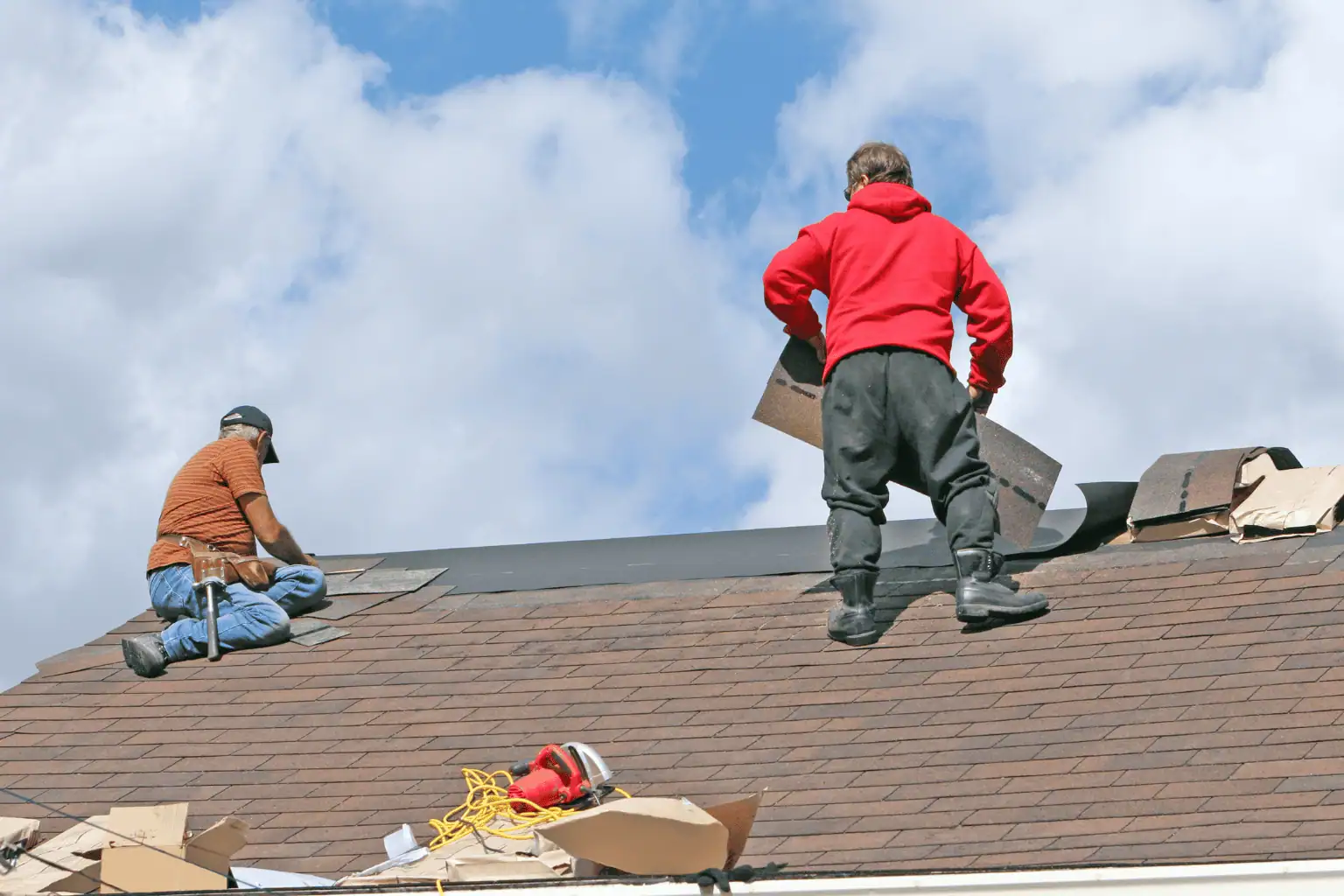
Houston is not easy on roofs. Scorching summers, torrential downpours, sudden hailstorms, and relentless humidity put your roofing system through more punishment each year than most homeowners realize. And here is the part that catches people off guard: most roof damage stays completely hidden until it becomes a serious, expensive problem.
By the time a water stain appears on your ceiling, moisture has often been working its way through your home’s structure for months. It has been quietly rotting the decking, encouraging mold growth, and building toward a repair bill that a simple inspection could have prevented.
A roof that is failing will almost always give you warnings before it gives out completely. The key is knowing what to look for. Here are the 10 signs that tell Houston homeowners it is time for roof replacement.
Sign 1: Your Roof Is 20 Years Old or Older
Age is the single most reliable predictor of roof failure, and in Houston, the clock runs faster than in most cities. Standard asphalt shingle roofs in this region typically last between 20 and 25 years. Once yours crosses that threshold, it is operating on borrowed time regardless of how it looks from the curb.
The reason Houston shortens roof lifespans comes down to climate. The constant cycling between extreme summer heat and cooler months causes roofing materials to expand and contract repeatedly. Add persistent humidity and the region’s notorious storm seasons, and you have conditions that wear down even quality installations faster than the manufacturer’s ratings suggest.
If you do not know your roof’s age, check your home closing documents or request a professional inspection. An experienced roofer can estimate remaining lifespan from shingle condition alone, and that information alone is worth having before a problem develops.
Houston tip: Roofs installed between the late 1990s and mid 2000s are now at or past their expected lifespan. If yours falls in that window and has not been inspected since a major storm season, scheduling one now is a smart move.
Sign 2: Missing, Cracked, Curled, or Buckled Shingles
Think of your shingles as a suit of armor. The moment pieces start coming off or warping, the protection underneath is compromised, and everything below it becomes vulnerable.
Missing shingles are an urgent situation. When a shingle is gone, the felt underlayment and wood decking beneath are exposed directly to rain. In a city where storms can drop several inches of water in a matter of hours, that exposure creates real risk fast.
Curling and buckling are slower signals but equally important. A shingle that cups at the edges or bows upward in the center has lost its structural integrity. It can no longer shed water the way it was designed to, and it becomes far more likely to tear away entirely when the next strong wind comes through. If you see shingles on your roof doing anything other than lying flat and uniform, that is your roof telling you something is wrong.
Sign 3: Granules Collecting in Your Gutters
The dark, gritty material you find washing into your gutters after a heavy rain is not ordinary debris. It is the protective granule coating from your shingles, and finding it in large quantities is one of the clearest indicators that your roof’s working life is running short.
Asphalt shingles are manufactured with a layer of ceramic granules embedded into the surface. Those granules serve a critical purpose: they shield the asphalt layer underneath from direct UV exposure. Without them, the sun breaks down the asphalt itself, making shingles brittle, prone to cracking, and far less effective at repelling water.
A small amount of granule loss right after a new roof is installed is completely normal as loose particles wash off during the first few rain events. Consistent, heavy accumulation on a roof that has been in place for a decade or more is a different story entirely. When you clean your gutters or notice buildup at your downspout splash zones, pay attention to what is in there.
Sign 4: Daylight Visible Through the Attic Roof Boards
This is one of the easiest inspections a homeowner can do, and one of the most revealing. On a sunny day, go into your attic, turn off any lights, and give your eyes a minute to adjust. Then look up.
Any pinpoints or streaks of natural light coming through the roof boards mean there are openings large enough for water to follow the same path. If light can get through, rain can too.
While you are up there, look at the surface of the rafters and decking as well. Dark streaking or staining along the wood is a sign of moisture that has already been getting in, even if there is no active light source visible at that moment. This attic check takes less than 15 minutes and can surface problems that no exterior inspection from the ground would ever reveal.
Sign 5: Sagging or Uneven Roofline
Stand at the corner of your home and look along the ridge line and the slope of each roof plane. A healthy roof runs straight and consistent from one end to the other. Any area that sags, dips, or looks uneven compared to the rest is telling you something significant is wrong underneath.
Sagging almost always points to structural compromise. The most common cause is prolonged moisture exposure that has weakened the decking or the rafters supporting it. By the time a sag becomes visible from the ground, the damage underneath has typically been developing for a long time.
This is not a situation to monitor from a distance while deciding what to do. A sagging roofline is a safety concern that warrants an immediate call to a licensed roofing contractor. Do not attempt to walk on or access the roof yourself.
Sign 6: Water Stains on Ceilings or Interior Walls
That brownish yellow ring on your ceiling is one of the most recognizable signs of a roof problem, but there is an important detail most homeowners do not know: the stain you see is almost never directly below where the water entered.
Water is resourceful. Once it finds a gap in your roof, it follows the path of least resistance, traveling along rafters, joists, and decking until it reaches a low point and drips through. The spot where it finally shows up on your ceiling can be five or ten feet away from the actual source.
This matters because simply patching the drywall and repainting will not solve anything. The stain will return, the underlying materials will continue to degrade, and the eventual repair bill will be larger than if the source had been found and fixed at the roof level from the beginning.
Sign 7: Mold, Moss, or Algae Growing on Shingles
Houston’s climate creates ideal conditions for biological growth on roofing surfaces. The combination of heat, humidity, and periodic rainfall means that roofs here are almost always fighting some level of organic accumulation.
The black streaks you see running down many Houston area roofs are colonies of a bacteria called Gloeocapsa magma. It feeds on the limestone filler in asphalt shingles and spreads across the surface over time. While it is primarily a cosmetic issue in its early stages, it signals that your shingles are retaining more moisture than they should.
Moss is a more serious concern. Unlike algae streaks, moss physically holds water against the shingle surface. That sustained moisture exposure breaks down the granule coating, degrades the asphalt underneath, and works its way into seams and edges over time. If you see moss returning repeatedly after cleaning, the shingles themselves may already be too far gone to save.
Sign 8: Energy Bills Rising Without Explanation
Your roof does more than keep rain out. It plays a direct role in your home’s ability to manage heat, and when it starts failing, your air conditioning system pays the price.
A properly functioning roof system including the shingles, underlayment, decking, insulation, and ventilation works together to regulate what happens in your attic. When any part of that system breaks down, attic temperatures rise. In Houston summers, an attic that is poorly ventilated due to a deteriorating roof can reach temperatures that push your AC to work significantly harder than it was designed to.
If your electricity bills have climbed noticeably over a billing cycle or two without a change in your habits, appliances, or utility rates, your roof may be contributing to that increase. Before spending money on HVAC service calls, it is worth having your attic insulation and roof condition evaluated together.
Sign 9: Your Area Has Experienced Significant Storm or Hail Damage
Houston consistently ranks among the most hail affected metro areas in the country. What makes hail damage particularly difficult to manage is that it is often invisible from the ground and sometimes invisible even up close without training.
Hail does not need to crack or puncture a shingle to cause lasting damage. The impact force from a significant hailstone can dislodge granules, compress the asphalt mat beneath the surface, and create weakened spots that shorten the shingle’s functional lifespan significantly. The shingle looks intact. The damage is internal.
Insurance adjusters have a term for this: functional damage. It describes harm that does not create an immediate leak but meaningfully reduces the roof’s remaining life. If your neighborhood was hit by a storm in the past two or three years and you have not had a professional inspection since, there is a real possibility you are sitting on undocumented damage that qualifies for an insurance claim.
Good to know: Most Texas homeowner’s insurance policies allow storm damage claims for a defined window of time after the event. Getting a professional inspection with documented photos is the essential first step in that process, and the sooner it happens, the better.
Sign 10: Your Neighbors Are Getting New Roofs
Pay attention to what is happening on your street. If homes in your neighborhood are getting new roofs, that is relevant information about your own.
Subdivisions across Houston were largely built in phases, with homes in the same area going up within one to two years of each other, using the same builders and similar materials, under the same regional weather conditions year after year. The result is that roofs in these communities tend to reach the end of their lifespan around the same time.
When you see trucks and roofing crews working on houses nearby, your neighbors have likely already gone through an inspection process that confirmed their roof needed replacement. Yours may be in a very similar condition. Let what is happening around you prompt you to find out where you stand before the decision is made for you by a storm or an active leak.
Frequently Asked Questions
How long does a roof last in Houston, TX?
Most standard asphalt shingle roofs in the Houston area last between 20 and 25 years. Houston’s climate ages roofs faster than the national average because of the combination of extreme heat, high humidity, and frequent storm activity. Consistent professional inspections, particularly after significant weather events, are the most effective way to maximize what you get out of your roof.
Will homeowner’s insurance cover my roof replacement in Houston?
Texas homeowner’s insurance typically covers damage caused by storms, hail, and high winds. Wear and age related deterioration is generally not covered. When storm damage is present, a licensed roofing contractor can document it with photos, measurements, and a written report to support your insurance claim and give it the best chance of approval.
Can I repair my roof instead of replacing it?
Sometimes yes, sometimes no. Isolated damage on a roof that is still relatively young may be a good candidate for targeted repairs. But if your roof is 15 or more years old, or if damage is widespread across multiple areas, repair costs can add up quickly and the underlying materials may not be worth investing in. A thorough professional inspection gives you the honest answer for your specific situation.
What time of year is best to replace a roof in Houston?
Roofing work in Houston can happen year round. Fall and spring typically offer the most comfortable working conditions and lower chances of weather delays, but the most important factor is not the season. It is addressing a known problem before it worsens. Active leaks and documented storm damage should not wait for a more convenient time of year.
How much does a roof replacement cost in Houston?
The roof replacement cost depends on several variables including the size and pitch of your roof, the material you choose, and whether there is any underlying structural damage that needs to be addressed. A written estimate from a professional inspection is the only accurate way to know what you are looking at for your specific home. Many Houston homeowners find that insurance coverage significantly reduces or eliminates their out of pocket costs when storm damage has been properly documented.
Get a Free Roof Inspection
If anything in this list sounds familiar, the next step is straightforward. Call Modern Home Improvement and Remodeling at (281) 536-0667 to schedule a free professional roof inspection. We will assess your roof’s condition, document everything we find with photos, and give you an honest recommendation with no sales pressure attached.
If your roof has storm damage, we can walk you through the insurance claim process from documentation to completion. Visit our roofing services page to learn more about what we do and how we work.
Serving Greater Houston. Free inspections available. Storm damage documentation and insurance claim assistance provided.