
Building permits are one of the most misunderstood aspects of home remodeling. Some homeowners assume every project requires one. Others try to skip permits entirely to save time and money. The truth is somewhere in the middle and the specifics depend on what you are doing, how extensive the work is, and exactly where you live in the Houston area.
Getting this wrong in either direction has consequences. Over-permitting small cosmetic projects wastes time. Under-permitting structural or systems work can cost you significantly more later at resale, during an insurance claim, or when the city catches up with you. Here is what you need to know.
When You Need a Permit
As a general rule, you need a building permit for any work that affects the structural integrity, safety systems, or occupancy of your home. This includes:
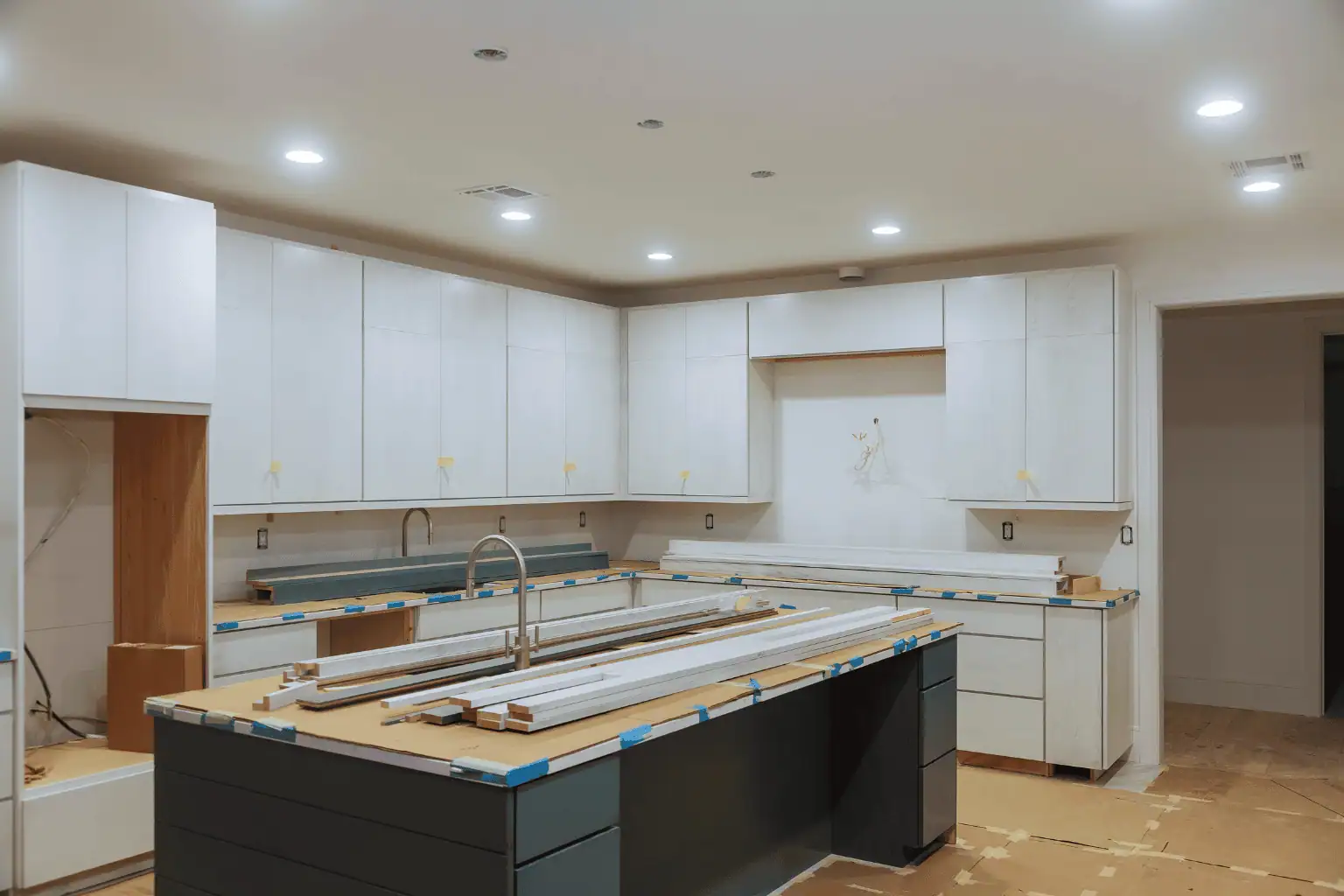
Structural Changes – Removing or modifying load-bearing walls is one of the most common remodeling tasks that requires a permit. Whether you are remodeling kitchen to create an open-concept layout or adding a beam to support a second-story load, any structural modification needs to be reviewed and inspected by a licensed building official. Permits exist to ensure these changes are done correctly an improperly removed load-bearing wall can compromise the entire structure of your home.
Electrical Work – Any new electrical circuits, panel upgrades, or rewiring must be permitted. This includes adding circuits to a kitchen, upgrading from a 100-amp panel to a 200-amp panel, installing a dedicated circuit for a new appliance, or adding recessed lighting on new wiring. Electrical work is one of the leading causes of house fires in the U.S., which is why inspections at rough-in and final stages are required. An inspector verifying your wiring is not bureaucracy, it is a fire safety check.
Plumbing Modifications – Moving drain lines, adding new water supply lines, or relocating fixtures all require permits. This includes moving a kitchen sink to an island, adding a second bathroom, relocating a toilet, or running new gas lines. Improper plumbing installations cause water damage, mold, and in the case of gas lines, serious safety hazards.
Room Additions and Footprint Changes – Any work that changes your home’s footprint, a room addition, a garage conversion, enclosing a patio requires a permit. These projects affect not just structure but setbacks, lot coverage, and sometimes zoning, all of which the permit process accounts for.
Kitchen and Bathroom Remodels – Kitchen and bathroom remodels are where homeowners most often get confused. A full gut-and-remodel almost always requires permits. But a surface-level refresh typically does not. Here is how to think about it:
You will need a permit if your kitchen or bathroom remodel involves:
- Moving plumbing (relocating a sink, adding a prep sink to an island, moving a toilet or shower drain)
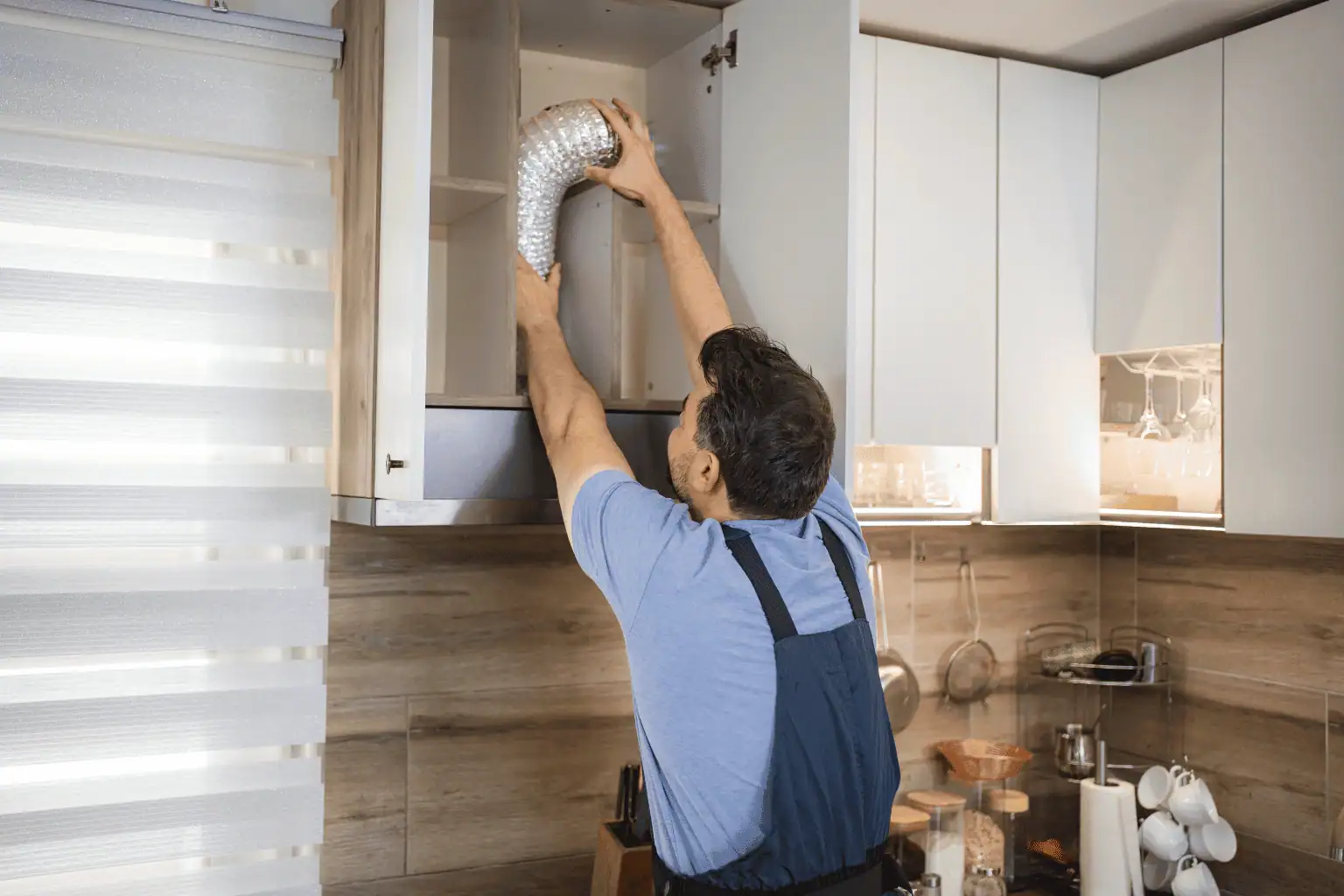
- Electrical work (adding circuits, moving outlets, installing new lighting on dedicated circuits, adding a range hood with new wiring)
- Structural changes (removing a wall to open up the layout, moving a doorway, adding a window)
- Gas line changes (relocating or adding a gas range connection)
You likely will not need a permit for:
- Replacing cabinets in the same location
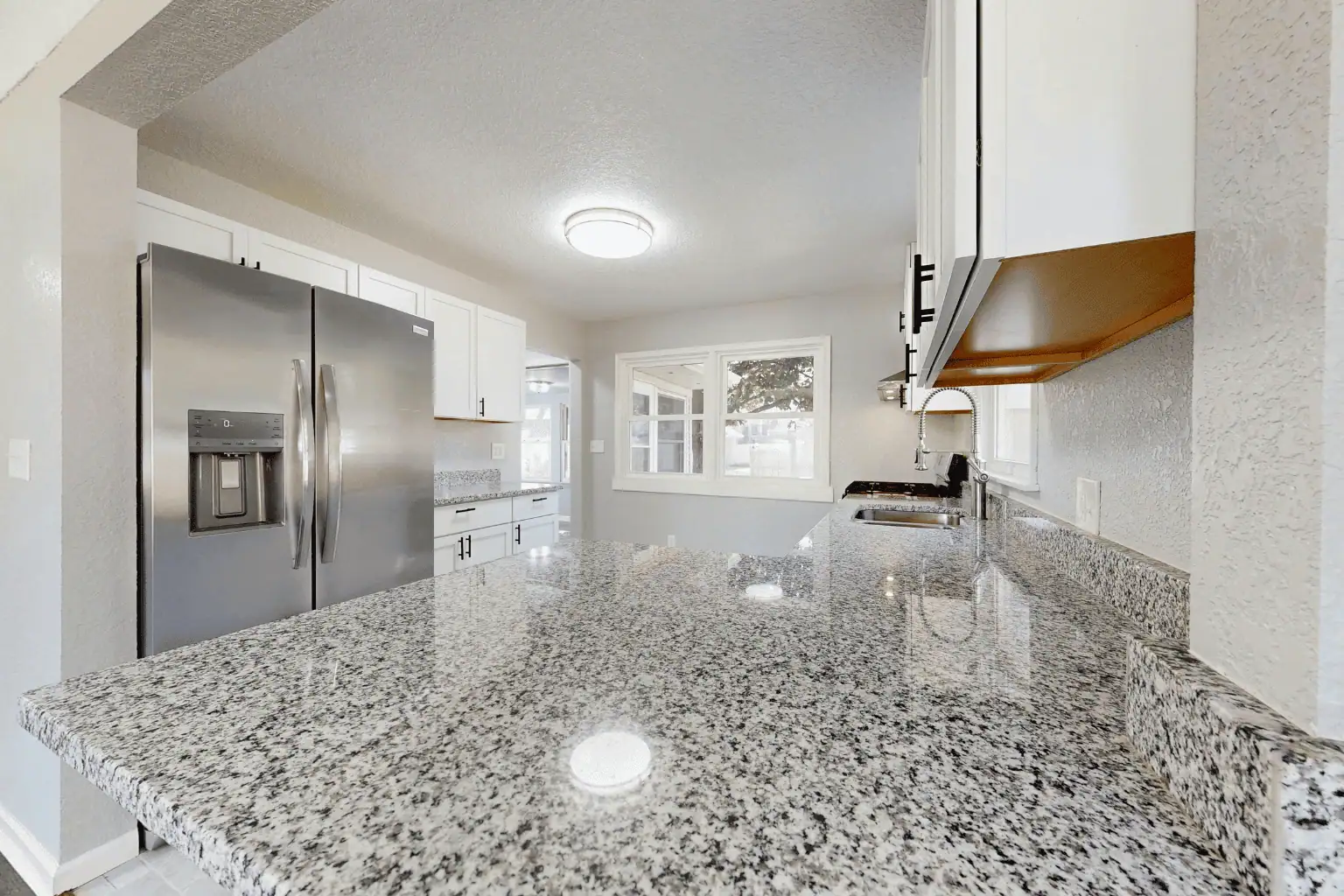
- Installing new countertops on the existing layout
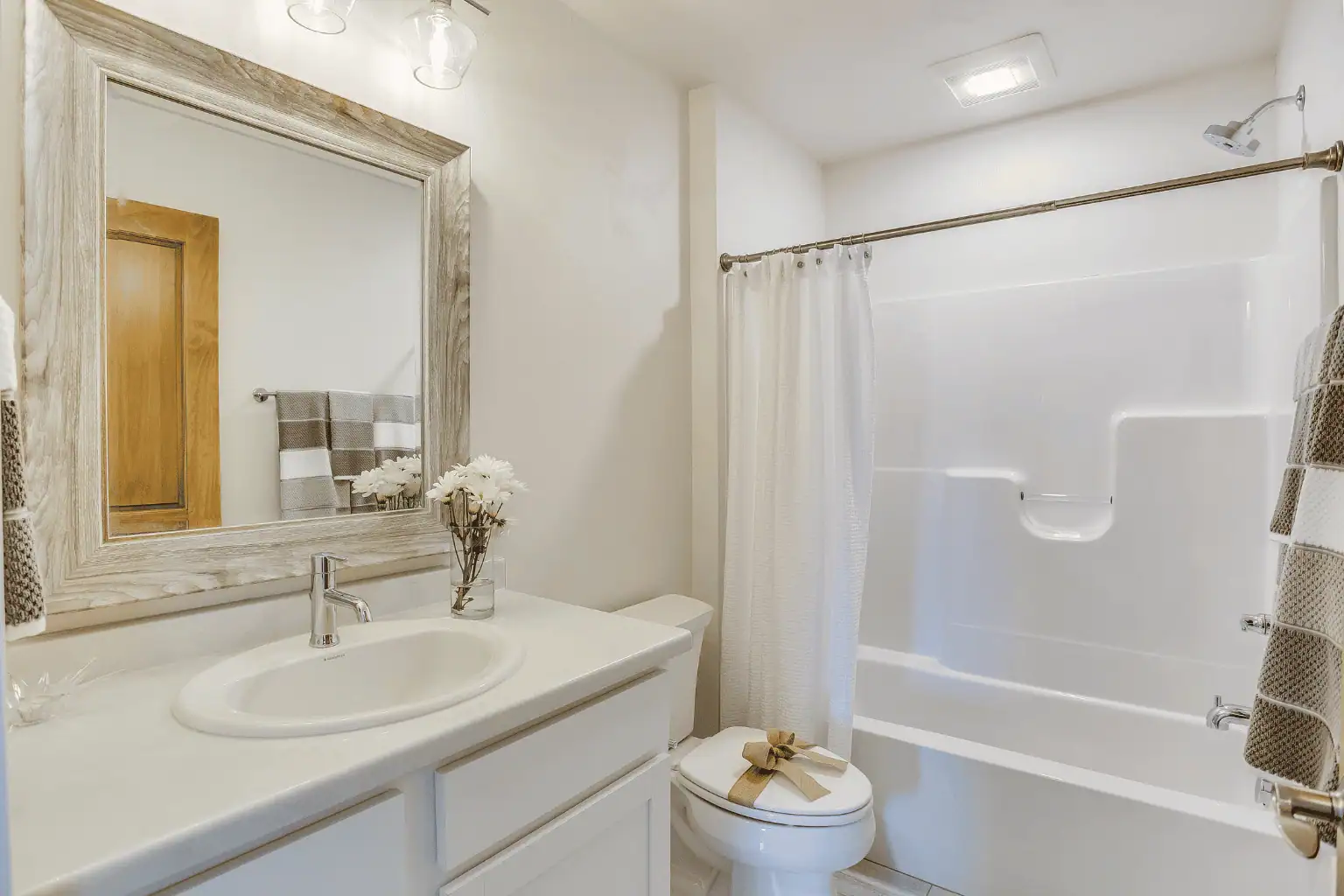
- Swapping out a toilet, faucet, or showerhead for a like-for-like replacement
- Retiling floors or walls
- Installing new light fixtures on existing circuits
When in doubt, ask your contractor. A licensed general contractor who works in your jurisdiction will know immediately whether your specific scope requires a permit.
When You Do Not Need a Permit
Cosmetic updates generally do not require permits in Texas. This includes:
- Interior and exterior painting
- Wallpaper installation or removal
- Cabinet refacing or replacement in the same location
- Countertop replacement without plumbing changes
- New flooring installed over an existing subfloor
- New light fixtures on existing circuits (like-for-like replacements)
- New faucets and showerheads on existing supply lines
- Hardware replacement (door handles, cabinet pulls, etc.)
- New appliances that connect to existing outlets or gas hookups
These projects do not affect the structural or mechanical systems of your home, so no permit or inspection is required. That said, just because something does not require a permit does not mean it should be done carelessly. Quality of workmanship matters regardless of permit status.
Houston Area Permit Jurisdictions
One of the most confusing aspects of permitting in the Houston area is that there is no single authority. The Houston metro spans multiple counties and dozens of incorporated cities, each with its own building department, fee schedule, and inspection process. Which jurisdiction handles your permit depends entirely on your property’s location.
City of Houston Homes within Houston city limits go through the Houston Permitting Center (HPC). Houston has one of the more streamlined permitting processes in the region, with online application options for many project types. Projects in Houston are subject to Houston’s adopted building codes, which are updated periodically.
Unincorporated Harris County Areas outside any city limits including Cypress, Spring, Copperfield, and parts of Katy fall under Harris County Permits. These areas have their own inspection process separate from the City of Houston, and requirements can differ in meaningful ways.
City of Tomball Tomball has its own building department and handles permits for properties within Tomball city limits. Do not assume that because you are in Harris County you go through Harris County Permits if you are inside Tomball’s ETJ or city limits, Tomball’s department is the right contact.
City of Jersey Village Jersey Village maintains an independent permitting process despite being surrounded by Houston and Harris County. Properties in Jersey Village use Jersey Village’s building department.
Fort Bend County Sugar Land, Fulshear, Missouri City, and other Fort Bend County communities have their own permitting processes depending on whether they fall within city limits or unincorporated county territory. Fort Bend County has grown significantly in recent years, and permit volume has increased accordingly.
Montgomery County Magnolia, Montgomery, Conroe, and The Woodlands area communities fall under Montgomery County or their respective city jurisdictions. The Woodlands, for example, operates under Montgomery County’s unincorporated county rules, while Conroe has its own city building department.
Navigating all of these correctly knowing which department to contact, what documentation is required, what the fee structure looks like, and what inspections are needed at what stages is one of the practical reasons homeowners benefit from working with an experienced local contractor rather than trying to manage permits themselves.
We handle permits in all of these jurisdictions as part of our general contracting service. We know the specific requirements in each area and manage the paperwork and inspections from start to finish.
What Happens If You Skip the Permit?
Skipping a required permit might seem like it saves time and money upfront. In reality, it often creates far more expensive problems down the road.
Problems at Resale When you list your home, buyers’ inspectors and real estate attorneys look for unpermitted work. If they find it and they usually do it can derail your sale. In some cases, the buyer’s lender will require the work to be brought up to code before approving the mortgage. That may mean opening walls, having inspections done retroactively, or even removing and redoing work that was done incorrectly. The cost of dealing with unpermitted work at resale almost always exceeds the cost of pulling the permit in the first place.
Fines and Stop-Work Orders If local building authorities discover unpermitted work through a neighbor complaint, a routine inspection, or a utility company visit they can issue fines and require you to expose the work for inspection. In some cases, they may require demolition of finished surfaces to inspect what is behind them. These situations are expensive and disruptive.
Insurance Claim Denials If something goes wrong a plumbing leak from improperly installed pipes, an electrical fire from faulty wiring, water damage from a botched structural modification your homeowners insurance company may deny the claim if the underlying work was not permitted and inspected. Insurance policies typically require that work be done in compliance with applicable codes and permit requirements. Unpermitted work gives insurers a legitimate basis to deny even an otherwise valid claim.
Safety Beyond the legal and financial risks, permits exist because the work affects the safety of your home. Structural failures, electrical fires, and gas leaks all happen when work is done without oversight. The inspection process is not just a formality, it is a second set of eyes specifically trained to catch the kinds of mistakes that cause serious harm.
We Handle Permits for You
One of the practical benefits of choosing licensed general contractor is that we manage the entire permit process. We prepare the applications, submit them to the correct authority, pay the applicable fees, schedule inspections at the appropriate stages of the project, and ensure everything passes before moving forward. You do not have to deal with the building department, coordinate inspection windows, or track down forms.
If you are planning a kitchen remodel, bathroom renovation, room addition, or any other significant project in the Houston area, we are happy to walk you through what your specific scope will require in terms of permits and inspections before any work begins.